
Last Updated on May 15, 2026 by Jawad
Introduction
Monitors for students are designed to provide a comfortable and productive workspace for studying, online classes, assignments, and entertainment. A good student monitor typically offers clear image quality, eye-care features, and enough screen space for multitasking without being too expensive. Many budget-friendly models include Full HD resolution, IPS panels for better viewing angles, and slim designs that fit easily on small desks or dorm setups. Features like low blue light modes and flicker-free technology help reduce eye strain during long study sessions.
Whether used for note-taking, coding, video editing, or casual gaming, a reliable monitor can significantly improve a student’s daily learning and productivity experience.
We also have a recommendation for the Best Budget Monitors for Programming, so make sure to check that out too!
Top Monitors for Students


Comparison
| Product | Image | Rating | Screen Size | Resolution | Refresh Rate | Panel | Eye Care | Best Use | Buy |
|---|---|---|---|---|---|---|---|---|---|
|
KOORUI 24″ 144Hz IPS Monitor 🏆 Best Overall | 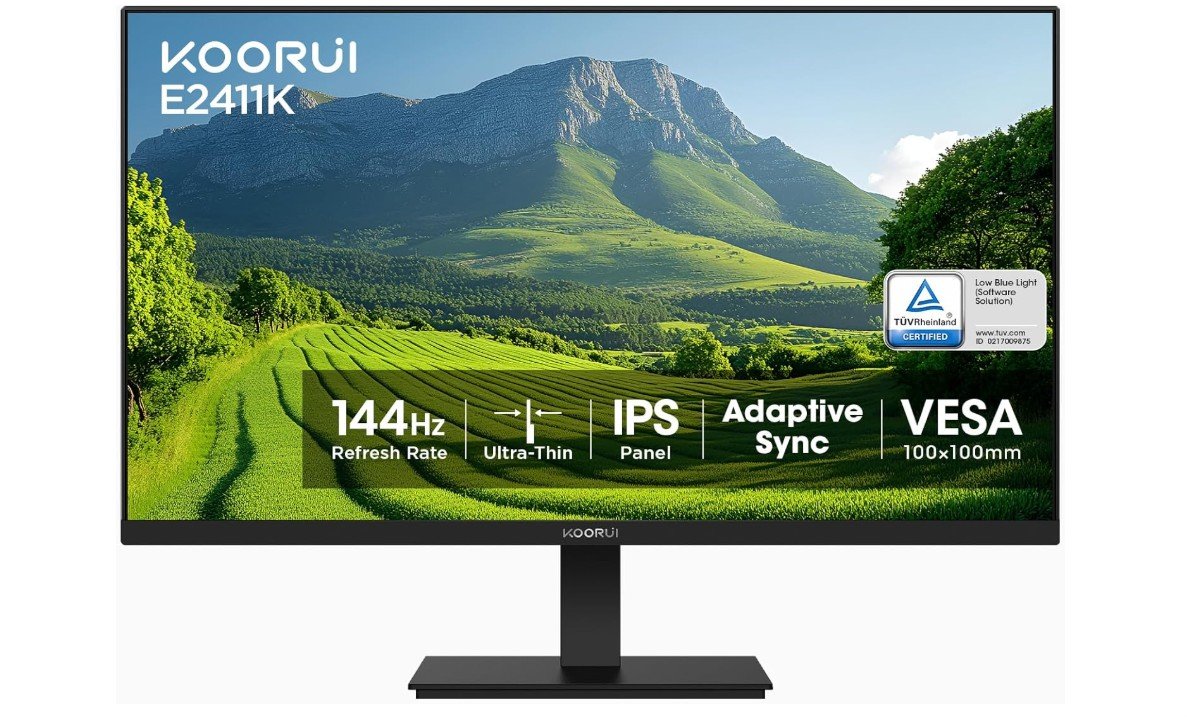 | ★★★★★ | 24″ | FHD (1920×1080) | 144Hz | IPS | Low Blue Light & Flicker‑Free | Study, multitasking | Check Price |
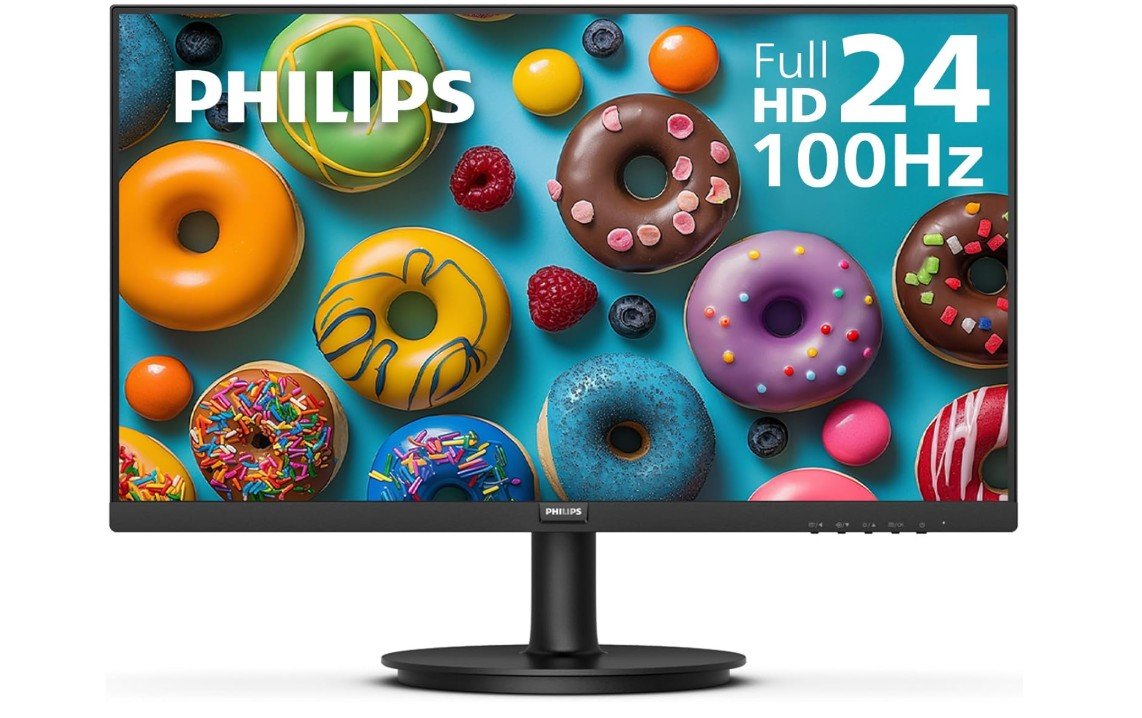
| Philips New 24″ Frameless Monitor |  | ★★★★☆ | 24″ | FHD (1920×1080) | 100Hz | LED | Low Blue Light & Flicker‑Free | Study, online classes | Check Price |
| ArcticPro 24″ Monitor | 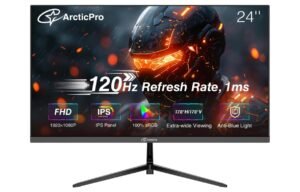 | ★★★★☆ | 24″ | FHD (1920×1080) | 120Hz | IPS | Anti‑Blue Light | Study & media | Check Price |
| KTC 24″ QHD 100Hz IPS Monitor | 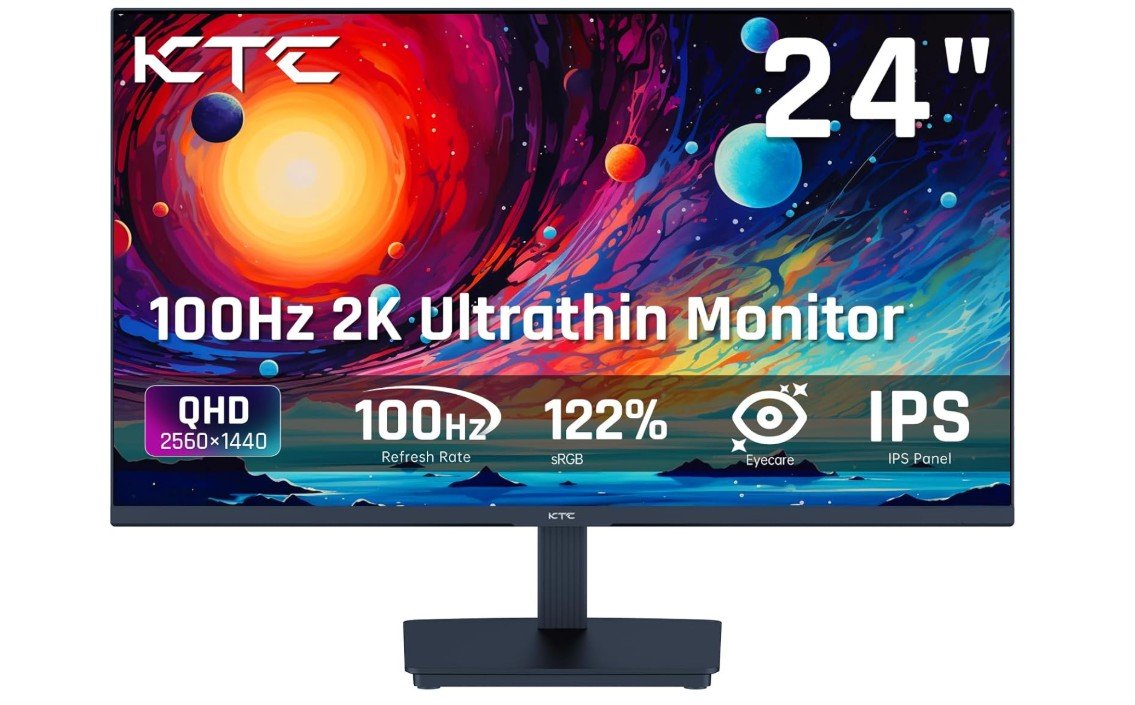 | ★★★★☆ | 24″ | QHD (2560×1440) | 100Hz | IPS | Anti-Blue Light | Gaming & office work | Check Price |
| Amazon Basics 27″ IPS Monitor |  | ★★★★☆ | 27″ | FHD (1920×1080) | 75Hz | IPS | Built‑in Speakers | Study & everyday use | Check Price |
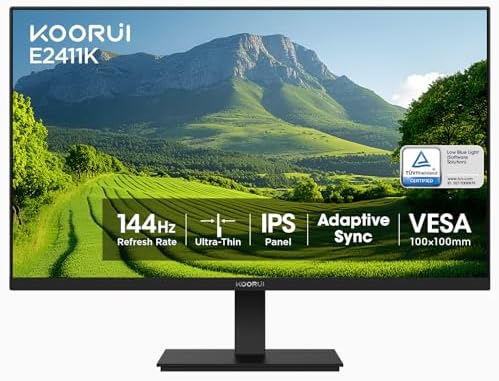
KOORUI 24 Inch 144Hz IPS Computer Monitor
KOORUI 24 Inch 144Hz IPS Computer Monitor
The KOORUI 24-inch 144Hz monitor is an excellent budget-friendly display for students who want a balance of smooth gaming performance and everyday productivity. Its IPS panel delivers clear Full HD visuals, accurate colors, and wide viewing angles, making it great for online classes, studying, entertainment, and casual gaming.
The 144Hz refresh rate provides much smoother motion than standard 60Hz monitors, while Adaptive Sync helps reduce screen tearing during gameplay. Eye-care features help minimize strain during long study sessions, and VESA mount support adds flexibility for desk setups. HDMI and VGA connectivity also make it compatible with PCs, consoles, and older devices.
Overall, it offers impressive value for both work and play.
Philips New 24 inch Frameless Monitor
Philips New 24 inch Frameless Monitor
The Philips 241V8LB is a reliable and budget-friendly 24-inch monitor that works very well for students who need a display for online classes, studying, assignments, and casual entertainment. Its Full HD 1920×1080 resolution provides clear visuals for reading documents, browsing, and watching videos, while the 100Hz refresh rate makes scrolling and everyday use feel smoother than traditional 60Hz monitors.
Eye-care features help reduce eye strain during long study sessions, and the frameless design gives it a modern look that fits nicely into compact setups. HDMI and VGA connectivity add flexibility for older and newer devices.
Overall, it offers excellent value, smooth performance, and dependable everyday usability for students.
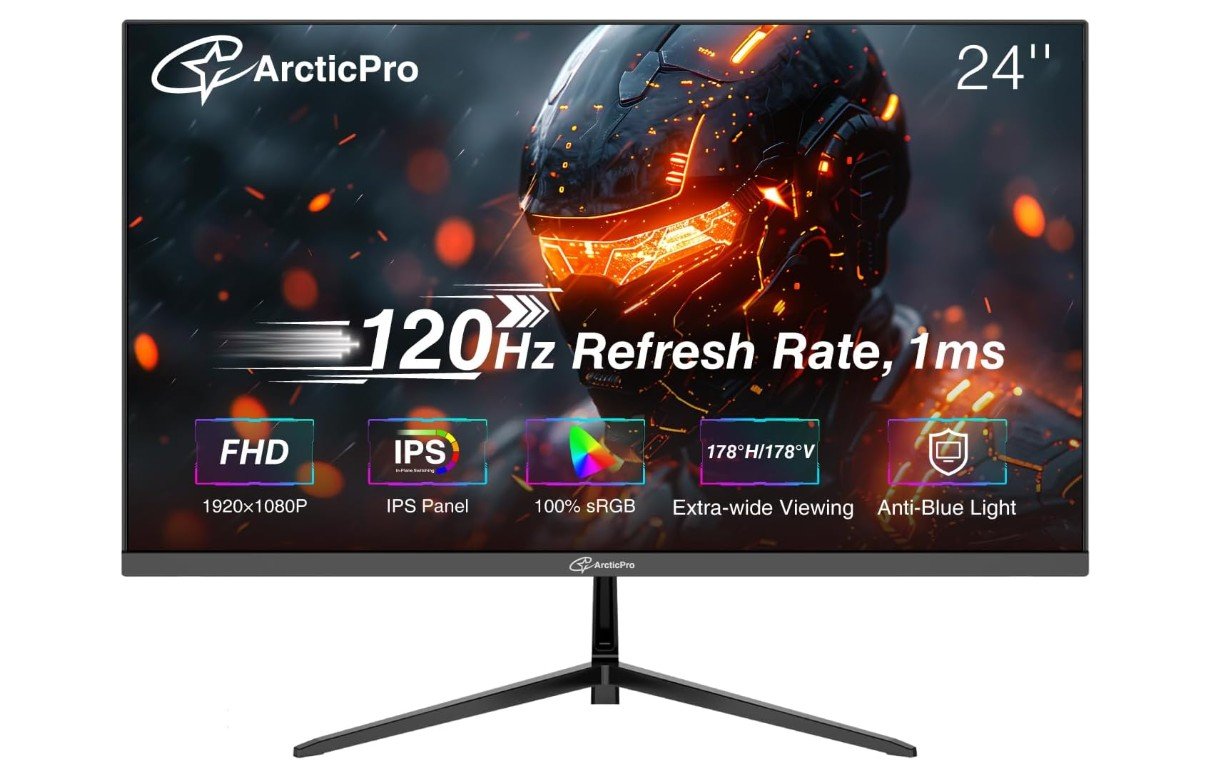
ArcticPro 24 inch Monitor
ArcticPro 24 inch Monitor
The ArcticPro 24-inch 120Hz monitor is a great budget-friendly option for students who need a smooth and versatile display for studying, entertainment, and casual gaming. Its IPS panel delivers clear Full HD visuals, good color accuracy with 99% sRGB coverage, and wide viewing angles that work well for school projects, streaming, and daily tasks.
The 120Hz refresh rate and 1ms response time provide smoother motion than standard 60Hz monitors, making gaming and scrolling feel more responsive. Adaptive Sync helps reduce screen tearing, while the anti-blue light design improves comfort during long study sessions. Although the stand offers limited adjustments, overall value, smoothness, and modern frameless design are excellent for students.
KTC 24 Inch QHD 100Hz Computer Monitor
KTC 24 Inch QHD 100Hz Computer Monitor
The ArcticPro 24-inch monitor is an excellent budget-friendly option for students who need a display for studying, online classes, entertainment, and casual gaming. Its Full HD IPS panel delivers clear visuals, good color accuracy with 99% sRGB coverage, and wide viewing angles that work well for schoolwork and media consumption. The 120Hz refresh rate and 1ms response time make scrolling and gameplay feel much smoother than standard 60Hz monitors, while Adaptive Sync helps reduce screen tearing.
The ultra-slim frameless design also looks modern and fits nicely into small study setups. Although the stand offers limited adjustments, overall value, smooth performance, and eye-care features make it a great monitor for students.
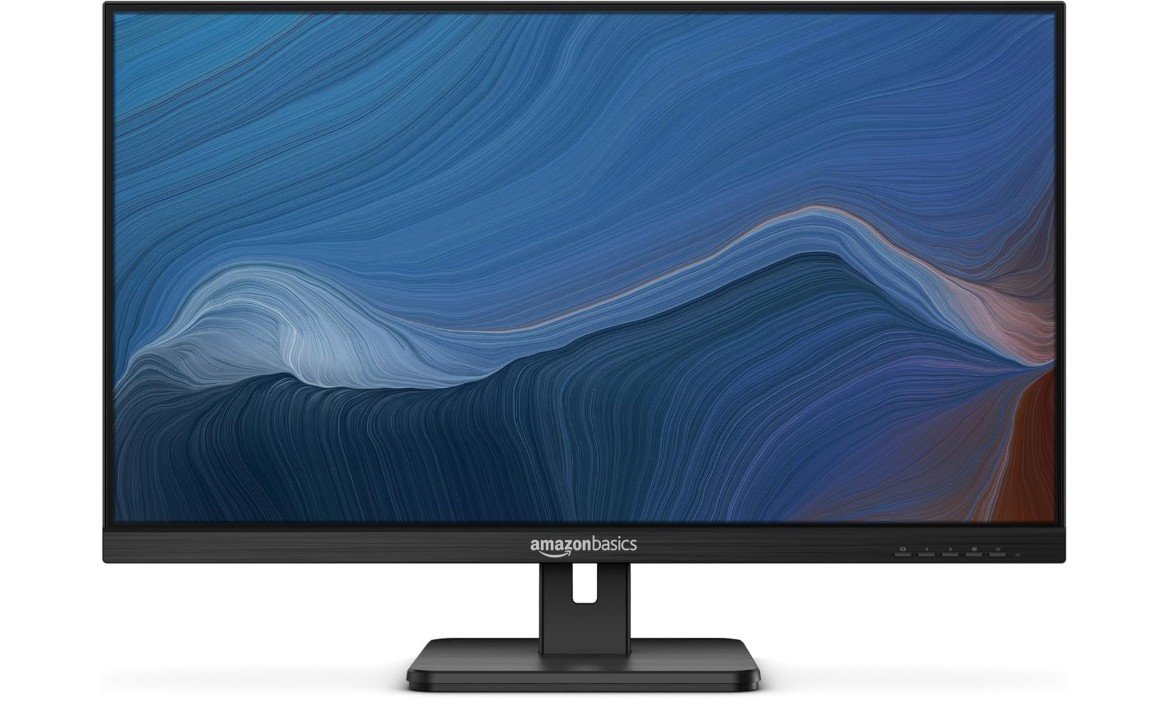
Amazon Basics IPS Monitor
Amazon Basics IPS Monitor
The Amazon Basics 27-inch IPS monitor is a reliable and affordable option for students who need a display for online classes, assignments, entertainment, and casual gaming. Its Full HD IPS panel delivers clear visuals, accurate colors, and wide viewing angles, making it comfortable for studying and daily use. The 75Hz refresh rate provides smoother scrolling and video playback compared to standard 60Hz monitors, while the adjustable stand improves ergonomics during long study sessions.
Built-in speakers and multiple connectivity options including HDMI, DisplayPort, and VGA add extra convenience for laptops and older devices. Although the 1080p resolution feels slightly soft on a 27-inch screen, overall value, comfort, and versatility are excellent for students.
Monitors for Students — A practical buying guide
A good monitor can make study time easier, more comfortable, and more productive. This guide explains the main features students should look for, which choices make sense at different budgets, and a short checklist to use when buying. I kept the language simple so you can pick the right screen without getting lost in technical words.
Why a separate monitor helps students
A monitor gives more screen space than a laptop. That means you can open your notes, a browser, and a document side by side. A larger screen reduces squinting and makes reading long texts and coding or editing documents easier. It also helps when attending online classes, doing group projects, or watching lecture videos. A monitor is usually cheaper than a new laptop with a big screen, and it’s an easy upgrade that improves comfort and productivity.
Screen size and resolution
For most students, 24–27 inches is the sweet spot. A 24″ monitor fits on small desks and still shows two windows side by side. A 27″ monitor gives more space for multitasking but needs more desk room.
Resolution matters for clarity. Full HD (1920×1080) is fine for reading, writing, and video lectures. If you do graphic design, video editing, or want more room for code and documents, consider 1440p (2560×1440). 4K is crisp but more expensive and often unnecessary for normal study tasks.
Panel types: IPS, VA, TN
- IPS (In-Plane Switching): Best balance for students. Good colors and wide viewing angles — text stays clear from different positions.
- VA (Vertical Alignment): Better contrast (darker blacks). Good for watching movies, but viewing angles and color accuracy are not as good as IPS.
- TN (Twisted Nematic): Fast response times and cheaper but worse color and viewing angles. Not recommended unless you need a very cheap, fast screen for gaming.
Refresh rate and response time
For study use, a standard 60Hz screen is acceptable. A 75–120Hz monitor feels smoother while scrolling and switching windows and can reduce eye fatigue. Response time (measured in ms) matters mainly for gaming; for students anything under 8–5ms is fine. Don’t pay extra for very high refresh rates unless you game seriously.
Color accuracy and gamut
If you do photo or video editing, look for higher color coverage (sRGB 99% or more). For general study, normal color accuracy is enough. Good color helps for presentations, design assignments, and projects that require true color.
Eye comfort and health features
Choose monitors with low blue light modes and flicker-free technology to reduce eye strain during long sessions. Matte screens reduce glare from lights or windows. Adjustable stands and the ability to tilt, swivel, or raise the screen help posture and reduce neck pain.
Connectivity and ports
Make sure the monitor supports the ports you need:
- HDMI: Most common for laptops and streaming devices.
- DisplayPort: Useful for higher refresh or QHD/4K at higher refresh rates (mainly desktops).
- VGA/DVI: Older devices — may not be needed for new laptops.
- USB-C or USB-C with power delivery: Great if your laptop supports it — one cable can carry video and charge the laptop.
Built-in speakers are handy but often not very loud or clear; a headphone jack or external speakers are usually better.
Ergonomics and mounting
A monitor with height adjustment is ideal. If the stand is basic, check VESA mount support so you can use a monitor arm later. Proper monitor height (top of screen at or slightly below eye level) prevents neck strain.
Multi-monitor setups
Many students use two monitors (or a laptop + external monitor). If you plan that, buy a monitor with thin bezels for a cleaner multi-screen look. Ensure your laptop/PC has the ports and GPU power to run two displays.
Warranty and build quality
A longer warranty gives peace of mind. Look for brands or listings that offer at least one year warranty and clear return policies. A solid stand and a stable base are important for long-term daily use.
Budget tiers and what to expect
- Budget (under $150 / local equivalent): 22–24″, 1080p, IPS or VA, basic stand, HDMI/VGA. Good for reading, writing, and lectures.
- Mid-range ($150–$300): 24–27″, IPS, 75–144Hz (optional), better color coverage, low blue light, better stand or VESA. Best value for most students.
- Premium ($300+): 27″ QHD or 4K, higher color accuracy, USB-C, ergonomic stand, and better build. Good for creative students or heavy multitaskers.
(Prices vary by region — choose based on local availability and student discounts.)
Practical buying tips
- Measure your desk first. Ensure the monitor size fits with room for keyboard and papers.
- Prefer IPS panels for general use.
- Choose at least 24″ for better multitasking.
- If you use a laptop often, consider USB-C monitor for single-cable convenience.
- Check for eye-care features and adjustable stands.
- Read user reviews focusing on reliability, dead pixels, and customer service.
- If you use specific software (e.g., CAD or color work), check recommended specs from that software.
FAQs
A good student monitor should have clear display quality, comfortable viewing angle, and features that reduce eye strain — ideal for long study, research, and online classes.
24″ to 27″ is a great balance — big enough for multitasking but still fits well on most desks.
Curved monitors can be immersive and comfortable for watching videos or multitasking, but they’re a personal preference — not essential.
Not usually — 60 Hz is fine for study, browsing, video lectures, and general use. Higher refresh rates are mainly for gaming.
Yes — a good student monitor works well for productivity and also for streaming, movies, and light gaming.
Final thoughts
A student monitor should make study easier, not more complicated. Focus on a comfortable size (24–27″), clear Full HD (or QHD if you need more space), an IPS panel for good viewing angles, and basic eye-care features. Mid-range monitors often provide the best balance of price, comfort, and performance. With the right monitor, you can read more comfortably, keep multiple apps open at once, and reduce strain during long study sessions — a small change that helps a lot over the school year.

Jawad is a passionate tech enthusiast and writer who loves exploring the latest trends in hardware, gadgets, and digital innovation. With a sharp eye for performance and value, he delivers in-depth recommendations and buying guides to help readers make smarter tech decisions.